While dogs and cats continue to be the most common household companions, a growing number of pet enthusiasts are turning toward non-traditional species. Reptiles, amphibians, and exotic small mammals offer unique and rewarding care experiences. However, keeping unusual pets thrives on precision. Unlike a dog that can largely adapt to human household conditions, exotic species require owners to meticulously recreate their natural microhabitats.
Husbandry is Everything
In the world of exotic pet care, the term "husbandry" refers to the comprehensive management of the animal’s physical environment. For many reptiles and amphibians, improper husbandry is the leading cause of illness and premature mortality. The margin for error is incredibly small.
Temperature and Lighting (Thermoclines)
Reptiles are ectothermic, meaning they rely on environmental heat to regulate their internal body temperature, digest food, and maintain a functioning immune system. Keeping a terrarium at a single, static temperature is a critical mistake.
Proper care requires creating a thermal gradient—a warm side for basking and a cool side for regulating down. For example, a leopard gecko may need a localized basking spot of 90°F (32°C) but requires a cool zone of 75°F (24°C) on the other side of the enclosure.
Furthermore, ultraviolet (UV) lighting is non-negotiable for many diurnal species. Without proper UVB exposure, species like bearded dragons cannot synthesize Vitamin D3, rendering them unable to absorb dietary calcium. This quickly leads to Metabolic Bone Disease (MBD), a devastating and irreversible condition.
The Sensitivity of Amphibians: Axolotl Care
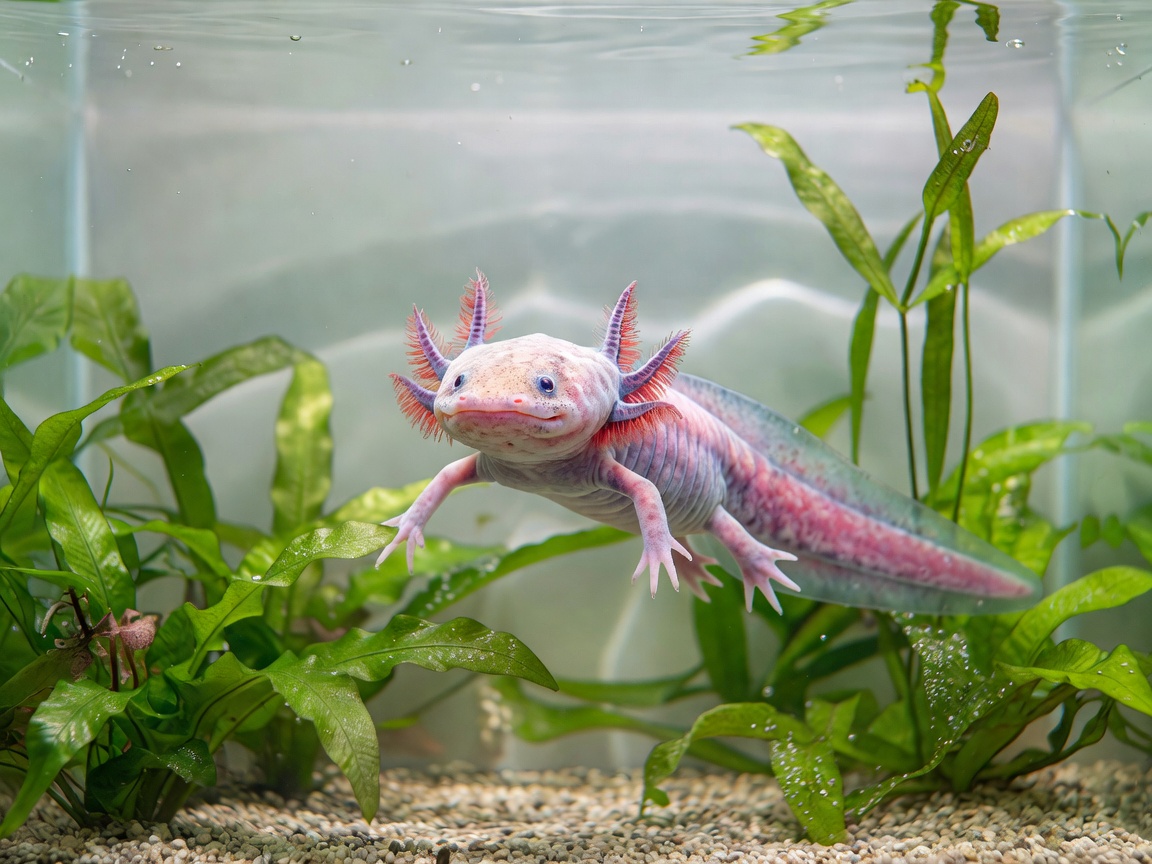
The axolotl—a critically endangered neotenic salamander native to the lake complex of Xochimilco near Mexico City—has exploded in popularity. Despite their smiling faces and internet fame, they are fragile captives.
Because amphibians have highly permeable skin, water quality must be pristine. Axolotls require strictly cycled aquariums with zero ammonia, zero nitrites, and low nitrates. Furthermore, they are cold-water animals. Their aquariums must be kept between 60°F and 64°F (15°C - 17°C). Temperatures exceeding 68°F (20°C) cause severe heat stress, immune suppression, and fungal infections. Maintaining these temperatures often requires purchasing an expensive aquarium chiller.
Dietary Complexity
Feeding exotic pets rarely involves opening a bag of kibble. Insectivorous reptiles require "gut-loaded" feeder insects (insects that are fed highly nutritious meals before being fed to the reptile) that are lightly dusted with specific calcium and vitamin supplements. Sugar gliders, highly social marsupials, require complex nectar-replacement diets, fresh fruits, and protein sources to mimic tree sap and insect foraging.
Veterinary Access
Before acquiring an exotic pet, the most important step is verifying local veterinary access. A standard small animal veterinarian is rarely equipped or trained to handle avian, reptilian, or exotic mammal medicine. You must locate a certified exotic specialist. Routine wellness checks, fecal parasite screenings, and emergency care will likely cost more than standard canine or feline care, and traveling to reach a specialist can be a significant logistical hurdle.