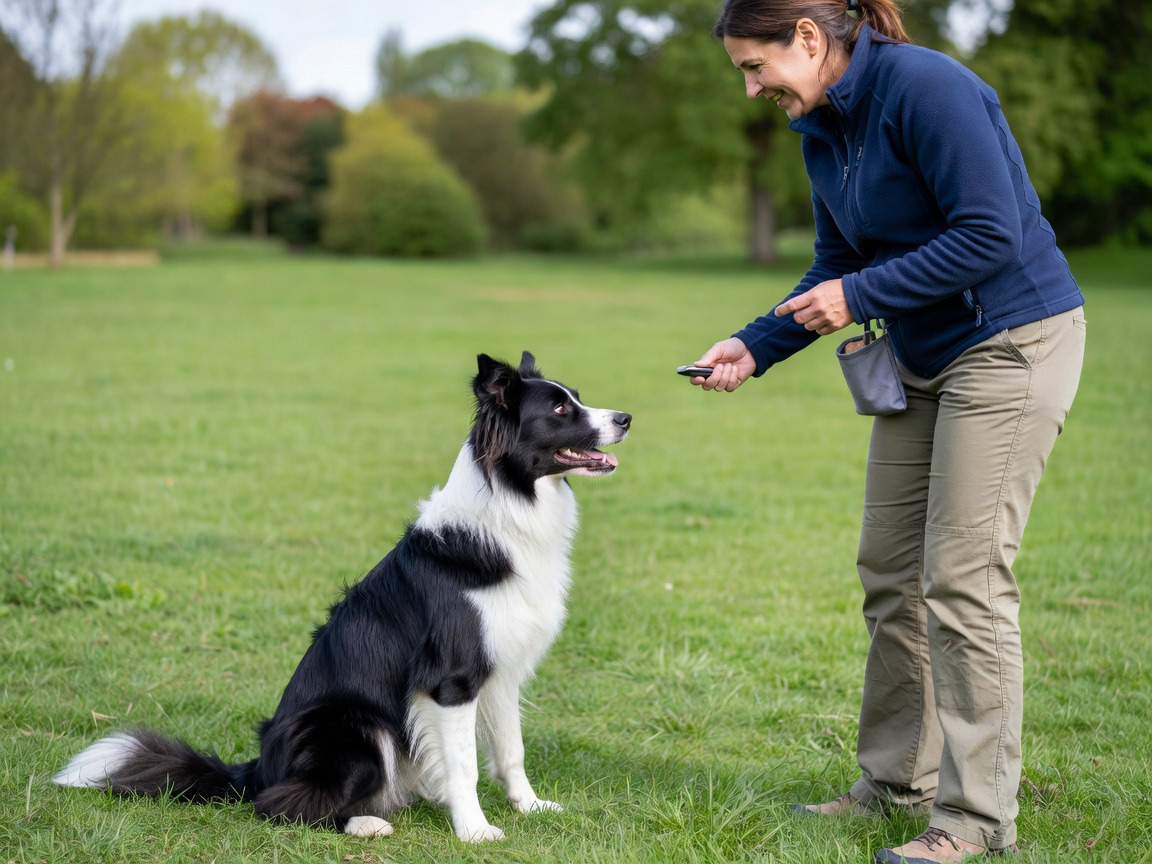
For many years, dog training was heavily influenced by theories of dominance and "pack hierarchy." Trainers often employed physical corrections, leash pops, and intimidation to force a dog into compliance. However, modern behavioral science has definitively shifted the landscape of animal training toward positive reinforcement (R+). This method isn't merely a kinder approach—it is scientifically proven to be more effective, reliable, and less likely to cause behavioral fallout.
What is Positive Reinforcement?
In behavioral psychology (operant conditioning), positive reinforcement means adding something desirable immediately following a behavior, which increases the likelihood of that behavior happening again. If your dog sits and you immediately hand them a piece of chicken, the act of sitting has been positively reinforced. They learn that "sitting causes chicken to appear."
The Power of the Marker
Because timing is so critical in training, trainers use a "marker" to pinpoint the exact moment the animal performs the correct behavior. This marker bridges the gap in time between the behavior and the delivery of the reward.
- Clickers: A small mechanical device that makes a sharp "click" sound. It is highly distinct and consistent, making it incredibly clear to the animal.
- Verbal Markers: Words like "Yes!" or "Good!" spoken in a specific, upbeat tone. While slightly less precise than a clicker, verbal markers are always available since you take your voice everywhere.
The sequence is always: Behavior occurs → Mark the exact moment → Deliver the reward.
Why Corrections Can Fail
Traditional correction-based training (often termed "balanced training" when mixed with rewards) relies on positive punishment—adding something aversive to stop a behavior. The scientific argument against relying heavily on punishment is the risk of "fallout."
When an animal is punished, they often learn what not to do, but they are not taught what they should do instead. Furthermore, corrections can increase fear and anxiety. A dog punished for growling at strangers may simply suppress the growl—their early warning system—and escalate directly to biting the next time they feel threatened. Positive reinforcement focuses on changing the underlying emotion, not just suppressing the symptom.
Rate of Reinforcement
A common mistake novice trainers make is expecting too much too soon, leading to a low rate of reinforcement. When teaching a new behavior, the animal should be earning a reward every few seconds. If the animal is failing, the trainer needs to lower the criteria—make the task easier—so the animal can succeed and get rewarded. Training should build confidence, and a high rate of reinforcement is the fuel for that confidence.
Phasing Out Treats
A frequent critique of R+ training is the fear that you will have to carry a bag of treats forever. This is a misunderstanding of how reinforcement works. Once a behavior is fluent and reliable, trainers move to a variable reinforcement schedule—much like a slot machine. The dog doesn't get a treat every time they sit, but they get it occasionally, which actually builds a stronger, more resilient behavior. Additionally, real-life rewards (like getting to go out the door, being released to play, or receiving affection) replace food as the primary reinforcement over time.