A tired dog is a good dog, as the old saying goes. However, for decades, pet owners have focused almost entirely on physical exhaustion as the primary means to tire out their pets. Throwing a ball until a dog is panting heavily or using laser pointers to exhaust a cat might achieve physical fatigue, but it often leaves an animal's mind completely unchallenged. Enter cognitive enrichment: the practice of stimulating your pet’s brain to improve their emotional well-being and reduce destructive behaviors.
What is Enrichment?
In the context of animal care, enrichment refers to the addition of items, activities, or environmental modifications that encourage an animal to express natural, species-typical behaviors. For a cat, this might mean stalking, pouncing, and climbing. For a dog, it encompasses sniffing, foraging, and chewing. When animals cannot express these innate drives, the pent-up energy often redirects into unwanted behaviors such as excessive barking, pacing, destructive chewing, or over-grooming.
Food Puzzles and Slow Feeders
The easiest way to introduce enrichment into your pet's life is to change how they eat. In the wild, animals spend a significant portion of their day foraging or hunting for food. Providing meals in a standard bowl eliminates this natural process, leaving them with excess time and energy. Ditching the bowl in favor of interactive feeders forces pets to work for their food.
- Lick Mats: Textured silicone mats where you can spread wet food, plain yogurt, or dog-safe peanut butter. The act of licking releases endorphins, which naturally soothe and calm the animal.
- Snuffle Mats: Fabric mats with deep fringes that simulate grass. Sprinkling dry kibble into the mat encourages dogs and cats to use their primary sense—smell—to find their dinner.
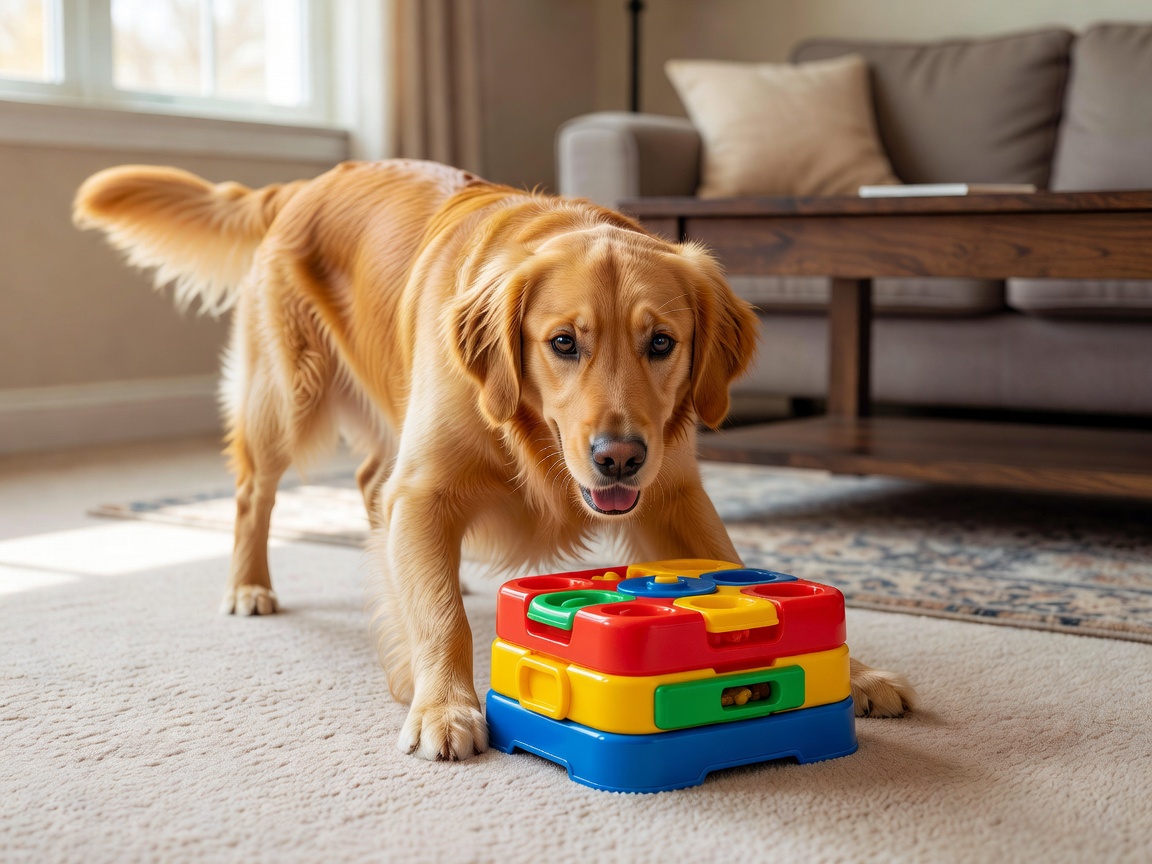
- Interactive Puzzle Toys: Toys featuring sliders, hidden compartments, and trapdoors that require pawing and nudging to dispense treats. These are excellent for building frustration tolerance and problem-solving skills.
Scent Work: Tapping into the Olfactory System
A dog's sense of smell is estimated to be tens of thousands of times more sensitive than a human's. A significant portion of their brain is dedicated to analyzing odors. By engaging this system, you provide massive cognitive stimulation.
You do not need to be a professional handler to do scent work at home. Simple games, such as hiding high-value treats around the living room while your dog is in another room and then releasing them with a "find it" cue, can be incredibly enriching. For more advanced dogs, you can introduce specific scents (like birch or clove essential oils on a cotton swab) and train them to alert you when they locate the hidden scent.
Environmental Enrichment for Felines
Cats have complex environmental needs that are frequently overlooked in indoor environments. Because cats are both predators and prey in the natural world, they require spaces that allow them to observe their territory safely.
Vertical space is non-negotiable for a confident cat. Cat trees, floating shelves, and window perches allow them to climb and survey the room. Furthermore, providing secure hiding spots (like covered beds or even simple cardboard boxes) gives them a retreat when they feel overwhelmed. Combining this environmental setup with structured play that mimics the hunt-catch-kill-eat cycle will drastically reduce feline anxiety and aggression.
Balancing Physical and Mental Exercise
Enrichment is not a replacement for physical exercise; it is a vital supplement. A holistic routine for a high-energy pet should include physical activity to maintain cardiovascular and joint health, combined with daily mental challenges to ensure their psychological needs are met. By integrating cognitive enrichment, you will foster a calmer, more confident, and ultimately happier pet.